
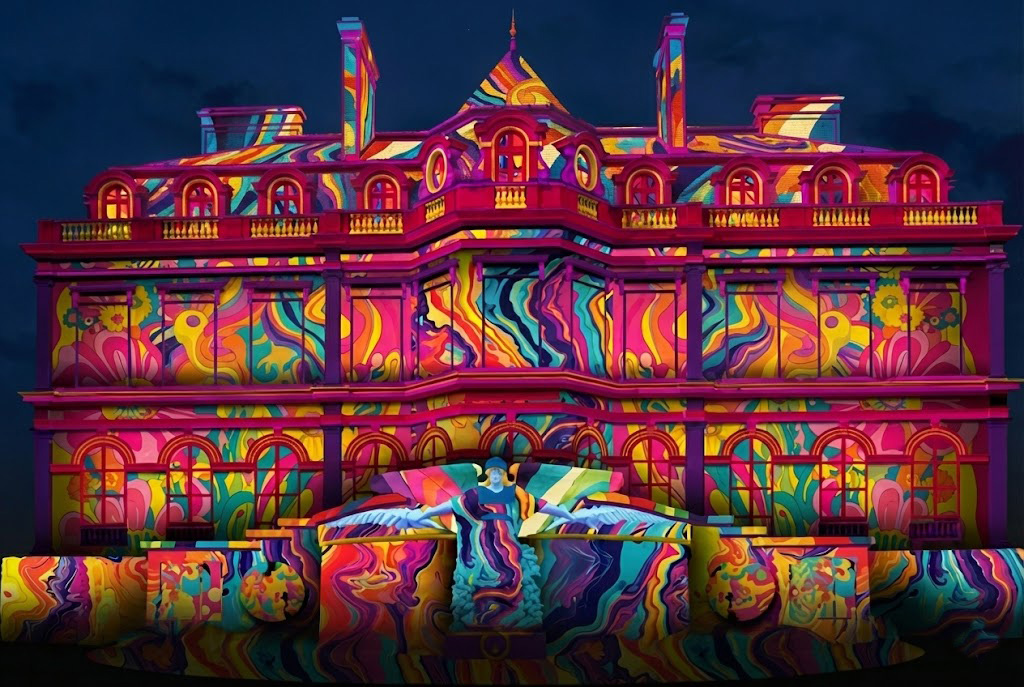
Épernay is preparing to adorn itself with its finest attire: from December 12 to 14, 2025, the Habits de Lumière transform the avenue into a nighttime theater where heritage, gastronomy, and luminous creations mingle. This annual event, organized by the City of Épernay and the Comité de l’Avenue de champagne.fr/fr/champagnes”>Champagne, takes on a special dimension in 2025 with the celebration of the 25th edition and the extension of the festivities related to the centenary of the avenue. The courtyards of the great houses come alive, pop-up shops open their doors, and artistic strolls outline a route designed to highlight Champenois craftsmanship.
The programming will feature mappings, sound installations, and oenological routes allowing rediscovery of the Houses under an unprecedented light. Many actors, including independent winemakers and collectives like Champagne de Vignerons, will occupy historic spaces to offer tastings and workshops. At the crossroads of intangible heritage and events, this edition aims to be a manifesto of the Champenois art of living, blending hospitality, creative audacity, and transmission.
Habits de Lumière 2025 Épernay: a flagship weekend for the Maisons de Champagne
Les Habits de Lumière have been, for a quarter of a century, an unwavering appointment for bubble and heritage enthusiasts. In 2025, the Avenue de Champagne celebrates not only the 25th edition of the event but also the end of the centenary ceremonies for the street. The Houses lining the avenue actively participate by opening their courtyards and cellars to offer unique experiences. The public is thus invited to a dual reading: one visual, carried by the luminous installations, the other gustatory, through the tastings and pairings offered.
The dynamics of this edition rely on several pillars: showcasing registered heritage, innovation in scenography, and interaction between historic Houses and young producers. It is essential to emphasize that the event attracts local, national, and international visitors, contributing to the region’s visibility while renewing Champagne’s image as a cultural and gastronomic product.
- Heritage: highlighting the façades and heritage courtyards.
- Gastronomy: pairing workshops and tasting routes.
- Animation: strolls, mappings, and car parades.
- Winemakers: enhanced presence of collectives and independent winemakers.
Concrete examples illustrate the scale: mappings on mansions, coordinated sound and light shows across several façades, and the occasional transformation of shops like “Le 19” into meeting places. Historic Houses reinterpret their heritage to attract a younger audience, while winemakers highlight the diversity of terroirs. A fictitious reference House, Maison Belliard, serves as a guiding thread: its cellars open for guided tours, and its courtyard hosts an interactive installation combining heritage and winemaking techniques.
| Element | Objective | Expected Impact |
|---|---|---|
| Monumental mappings | Enhance architecture | Increase tourism attractiveness |
| Tasting routes | Promote cuvées | Increase on-site sales |
| Presence of winemakers | Highlight terroirs | Strengthen producer/consumer link |
To prepare their visit, the public can consult practical online resources, including specialized articles on wine recognition or capsule culture. A recommended reading is the investigation on the ability to recognize a Champagne blind, which illuminates the sensory dimension of tastings.
List of concrete actions proposed by the Houses:
- Organize tastings commented on by wine merchants and sommeliers.
- Reserve limited sessions to discover rare cuvées.
- Set up educational workshops for novices.
- Offer bulk purchase deals for private events.
In summary, the 2025 edition functions as a strategic showcase for the Houses: it combines immersive experience, heritage value, and local economy. The ability to link these axes will determine long-term success.
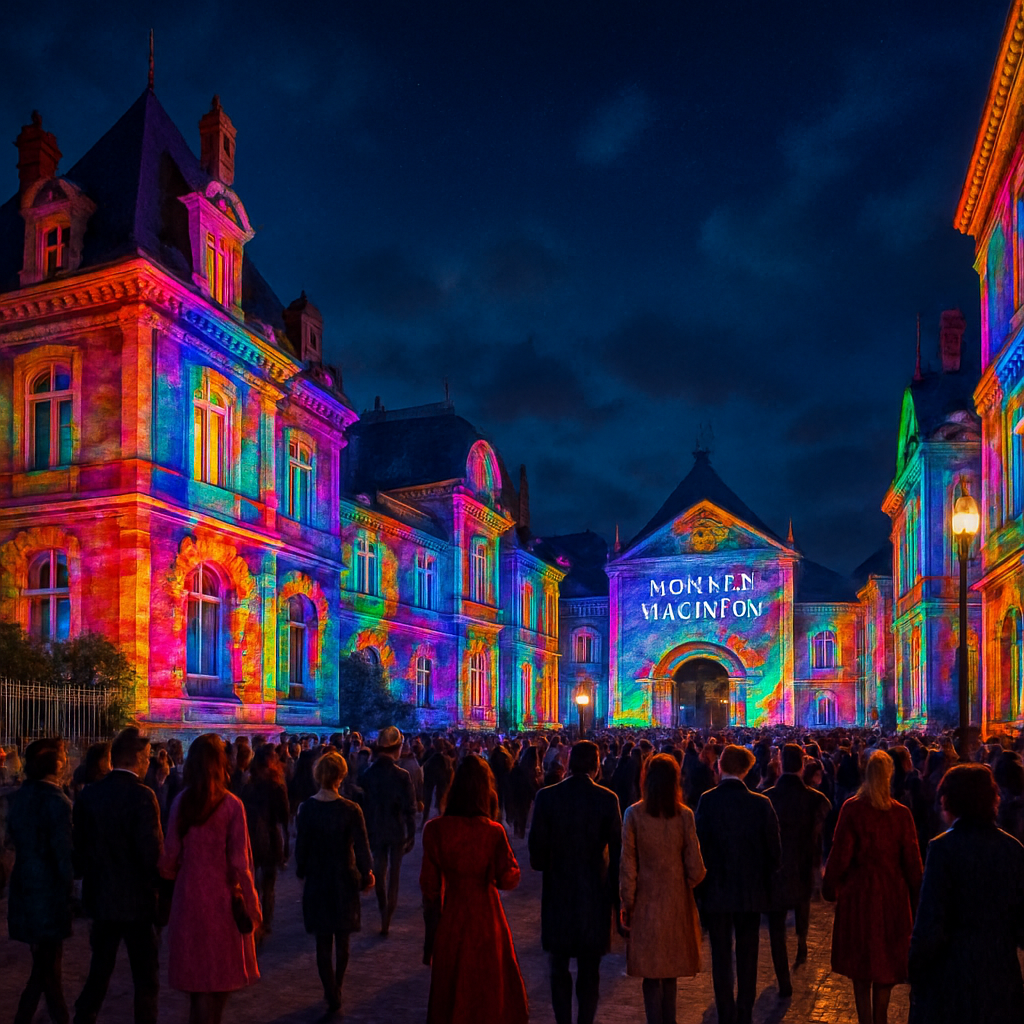
Animations and routes: the courtyards reinvent the Habits de Lumière experience
The inner courtyards of the great houses become true ephemeral stages, each developing its own narrative. The objective is to make the experience intimate despite the crowds, offering short but memorable formats. The scenographies often combine technical innovations and artisanal know-how: luminous installations designed by local studios, collaborations with chefs for mini gastronomic platforms, and playful workshops dedicated to families.
The diversity of proposals addresses different audiences: informed enthusiasts, cultural curiosities, and families. A well-thought-out route includes break times in the courtyards, information points on the history of the Houses, and tasting sessions in small groups. The Houses focus on quality reception and storytelling to leave a lasting impression.
- Artistic installations: each courtyard offers an original creation.
- Educational workshops: introduction to tasting and discovery of grape varieties.
- Encounters: direct exchanges with winemakers and local producers.
A concrete example: the courtyard of Maison Belliard offers a guided sensory path around aromas, with interactive stations explaining fermentation, blending, and aging impact. In another courtyard, a partnership with the collective banner Champagne de Vignerons allows discovery of micro-cuvées in vertical tasting. These activations aim to deepen product understanding beyond the simple festive symbolism.
| Type of animation | Description | Target audience |
|---|---|---|
| Mapping and projections | Monumental nighttime scenography | General public |
| Sensory workshops | Introduction to aromas and textures | Adults and enthusiasts |
| Winemakers’ stands | Tastings and direct sales | Professionals and individuals |
To deepen the culture of Champagne and its collectibles, some courtyards host exhibitions dedicated to placomusophily, the discipline focused on capsules, with demonstrations and exchanges among collectors. These meetings combine the popular aspect with the heritage dimension, giving an unexpected angle to the event.
The organizers also optimize flows to limit waiting times and improve comfort: modular ticketing, time slots, and digital information before and during the event. The use of trained mediators guarantees quality exchanges around the presented cuvées.
List of recommendations to fully enjoy the courtyards:
- Book workshops in advance for limited sessions.
- Favor off-peak hours in early evening for a calmer visit.
- Consult the route map to choose complementary themes.
- Participate in meetings with winemakers to deepen knowledge of terroirs.
The staging of the courtyards reveals a clear strategy: bring the visitor closer to the creation process and the memory of the Houses, while offering convivial and educational moments. This approach ensures a lasting memory and better valorization of the presented products.
Food and Champagne pairings: redefining the Champenois art of living during the Habits de Lumière
The theme of pairings remains central to demonstrate Champagne’s versatility. The Houses work with chefs, pastry chefs, and local artisans to propose surprising gustatory encounters. The idea is to break preconceived notions: Champagne is not reserved for aperitifs or sophisticated desserts; it pairs with a wide range of savory and sweet dishes, sometimes unexpected.
Themed workshops present proposals such as: Champagne and fine charcuterie, Champagne and Asian cuisine revisiting umami sauces, or pairings with aged cheeses. These demonstrations rely on technical principles (acidity, texture, effervescence) and sensory codes that allow anticipating the success of a food-bubbles marriage.
- Surprising pairings: discovery of combinations that renew the tasting experience.
- Practical workshops: techniques to judge the structure of a Champagne.
- Dedicated menus: tasting menus in small portions to test multiple combinations.
A frequently cited reference material during these encounters helps visitors understand why certain pairings work. For example, the article on 7 unexpected pairings with Champagne offers concrete ideas tested by chefs, which serve as starting points for workshops offered during the event.
| Type of dish | Characteristic | Recommended type of Champagne |
|---|---|---|
| Grilled seafood | Saltiness and texture | Vibrant blanc de blancs |
| Spicy dishes | Umami and warmth | Fruity rosé or demi-sec depending on intensity |
| Aged cheeses | Aromatic complexity | High-structure blend |
Lists of tips equip amateurs and professionals:
- Identify the acidity of the dish to balance Champagne’s freshness.
- Play on textures: effervescence and mouthfeel.
- Test in small portions to refine preferences.
Beyond classic pairings, some Houses explore alliances with non-gastronomic actors to offer complete sensory experiences: sound art, olfactory perfumery, or visual creations. These collaborations aim to place Champagne in a comprehensive and contemporary lifestyle universe.
For those wishing to improve their opening and service techniques, resources like the article on common bottle opening mistakes can be useful and are often shared by the Houses during workshops.
Ultimately, the pairing routes aim to evolve perceptions and anchor Champagne in a broad culinary register, thus revealing the extent of its gustatory potential.
Winemakers, harvests, and 2025 challenges: between climate, yields, and quotas
The event scene also fits into a shifting agricultural and regulatory context. The year 2025 was marked by an early and promising harvest, with grape picking surprising by its quality and earliness. These elements directly influence the range of cuvées offered during the Habits de Lumière and marketing choices. The Houses and independent winemakers must adapt their communication and offer accordingly.
The issue of quotas and yields remains at the heart of debates; it conditions the availability of grapes, the diversity of blends, and producer margins. To better understand these challenges, detailed resources on 2025 quotas and their implications for yields are made available to professionals and the public.
- Early harvest: consequences on aromatic profiles.
- Quotas: impact on production and marketing.
- Climate adaptation: cultural practices and viticultural innovations.
A summary table helps visualize key parameters:
| Parameter | 2025 Situation | Consequence |
|---|---|---|
| Harvest dates | Early | Fresher aromatic profile, preserved acidity |
| Yields | Under quota constraints | Strict volume management |
| Grape quality | Good to very good | Opportunity for prestige cuvées |
For further insight, it is useful to consult analyses on the 2025 harvest and quota measures, which detail consequences for the sector and adaptation strategies. These readings help grasp why some cuvées presented at the Habits de Lumière are rarer and how this affects prices and availability.
Examples of initiatives taken by the Houses:
- Highlighting cuvées from specific plots to enhance the terroir.
- Strengthened collaboration between merchants and winemakers to secure supply.
- Educational communication on the impact of climate and quotas for the general public.
These adaptations show that the event is not limited to celebration: it also becomes a moment of information and debate to anticipate the sector’s future. Understanding agronomic and regulatory issues contributes to a fuller appreciation of the presented products.
For those closely following the sector, files like the 2025 harvest analysis and the update on the quota system are valuable resources to understand the context and strategic decisions of the Houses.
Ultimately, holding the Habits de Lumière in 2025 also serves to reveal tensions and opportunities present in the Champagne sector. The challenge is to turn these constraints into creative impulses to maintain the quality and diversity of the cuvées offered.
Heritage, marketing, and brand experiences: how the Houses tell their know-how story
The Houses’ communication during the Habits de Lumière is a orchestrated demonstration of storytelling. Between pop-up shops, thematic routes, and digital animations, each House builds an experience that tells its story. The public is invited to enter not only the gustatory universe but also the heritage and identity narrative of each brand.
Shops like “Le 19” or collective spaces set up in courtyards become stages where marketing strategies mixing tradition and modernity are played out. The use of interactive devices, limited editions, and artistic collaborations captures visitors’ attention and creates a lasting emotional bond.
- Immersive experiences: narrative routes and multimedia supports.
- Special editions: cuvées and gift boxes dedicated to the event.
- Collections: showcasing objects related to Champagne’s memory.
A summary table highlights the levers used:
| Lever | Application | Expected result |
|---|---|---|
| Limited editions | Event cuvée releases | Create buying urgency |
| Experiential marketing | Interactive routes in courtyards | Public engagement |
| Collections and objects | Exhibitions of capsules and accessories | Valorization of material heritage |
The narrative can take the form of historical anecdotes, winemaker portraits, or technical innovations presented to the public. For example, workshops dedicated to placomusophily attract collectors and open conversation on brand iconography. The Houses rely on these stories to strengthen their brand capital and loyalty.
Observed marketing actions lists:
- Creation of collectors’ items linked to the anniversary edition.
- Partnerships with specialized media to distribute content.
- VIP experiences reserved to strengthen the professional clientele.
Finally, the event’s marketing is supported by specific offers: bulk purchases for private events, discovery packs, and concierge services. These arrangements benefit from a direct sales channel and increased visibility throughout the weekend.
To deepen good purchasing and logistics practices, specialized articles offer guides and comparisons on the best procurement strategies for events.
The Houses’ ability to tell their story, innovate, and offer relevant experiences determines their impact during the Habits de Lumière and beyond. It is the convergence of heritage, creativity, and commerce that shapes the contemporary Champenois art of living.
How to get tickets for the Habits de Lumière workshops?
Tickets for workshops are generally available online via the organizers’ or Houses’ official websites. It is recommended to book in advance for limited sessions, especially for sensory workshops and small-batch tastings.
What are the best times to visit the avenue and avoid crowds?
Time slots in early evening or late afternoon often allow a smoother access to the courtyards. Consulting the route map and booking slots for animations optimizes the visit.
Where to find technical information about the 2025 harvest and quotas?
Specialized articles and sector reports detail harvest dates, crop quality, and quota developments. These resources provide useful context to understand impacts on production and marketing.
Can you buy Champagne directly during the Habits de Lumière?
Yes, many Houses and winemakers offer on-site sales, including limited editions and event packs. Dedicated bulk purchase offers also exist for event organizers.
Useful resources: